Call us now :
 Send Inquiry
 Send Inquiry
Electrodialysis desalination technology
Electrodialysis desalination technology Specification
- Application Areas
- Water Recycling, Boiler Feed, Textile Industries, Pharmaceuticals
- Temperature Range
- 5°C - 45°C
- Technology Type
- Electrodialysis Desalination
- Minimum Feed TDS
- Up to 20,000 ppm
- Membrane Type
- Ion Exchange Membrane
- pH Range Tolerated
- 6 - 9
- Pretreatment Requirement
- Yes
- Automation Grade
- Automatic
- Control System
- PLC-Based Advanced Control
- Water Source
- Brackish Water/Seawater
- Skid Mounted
- Yes
- Suitable For
- Industrial and Municipal Applications
- Installation Service
- Available
- Operation Mode
- Continuous / Batch
Electrodialysis desalination technology Trade Information
- Payment Terms
- Telegraphic Transfer (T/T), Letter of Credit (L/C)
- Sample Available
- No
- Main Export Market(s)
- Central America, Asia, Australia, North America, South America, Eastern Europe, Western Europe, Middle East, Africa
- Main Domestic Market
- All India
Electrodialysis desalination technology About
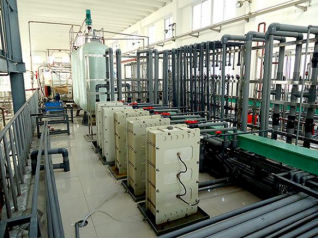
Electrodriven membrane separation equipment is a physical and chemical process that migrates ions from one part of water to another part of water by using the selective permeability of electrodriven membrane under the action of external direct current electric field. The electrodriven membrane separation desalinator uses the electrodialysis process in the multi-layer compartment to achieve the purpose of desalting water.
The electric driven membrane separator consists of a separator, an electric driven membrane, an electrode, a clamping device and other main components. The electrically driven membrane has selective permeability to ions with different charges. The positive film only allows the passage of cations and prevents the passage of anions. The negative film only allows anions to pass through, preventing the passage of cations. Under the action of the external direct current electric field, the ions in water are transferred in a directional manner. Because the electrodriven membrane separator is composed of multi-layer compartments, the anions and ions in the light chamber migrate to the adjacent concentration chamber, so that the brine is desalted.
As a pre-desalting equipment, the electric driven separator can be applied to raw water with salt content of 500-4000mg/L, which has strong practicability and economy. Single water production 0.2-16T/H, desalting rate 75-97%. Widely used in chemical industry, metallurgy, food, biology, pharmaceutical industrial sewage treatment and other fields.
Precision Desalination with Advanced PLC Control
The system emphasizes reliable purification by integrating a sophisticated PLC-based control mechanism, delivering precise management for industrial-grade desalination. Its automation ensures consistent results while adhering to strict quality standards. The advanced control minimizes human error, optimizes processes, and enhances operational safety.
Versatile Applications for Diverse Industries
Adaptability is a core advantage, with the electrodialysis technology engineered for a variety of sectors including textile, pharmaceutical, water recycling, and boiler feed operations. Tailored for both municipal and industrial demands, the system excels in treating brackish water and seawater, making it indispensable in environments where water quality is paramount.
FAQ's of Electrodialysis desalination technology:
Q: How does electrodialysis desalination technology work?
A: Electrodialysis desalination separates dissolved salts from water using ion exchange membranes and electrical potential. The process channels ions through the membranes, leaving behind desalted water suitable for industrial and municipal applications.Q: What are the benefits of the PLC-based advanced control system in this unit?
A: A PLC-based control system offers automated, precise regulation of process parameters. It enhances reliability, streamlines operations, and minimizes manual intervention, ensuring consistent water quality and improved operational efficiency.Q: When is pretreatment required for electrodialysis desalination?
A: Pretreatment is necessary whenever feed water contains impurities such as suspended solids, organic matter, or scaling agents. These need removal to protect membranes and maintain high system efficiency and longevity.Q: Where can this desalination system be installed?
A: This electrodialysis system is mounted on a skid, allowing flexible installation at industrial sites, municipal facilities, textile factories, pharmaceutical plants, or any location requiring reliable salt removal from brackish or seawater.Q: What is the tolerated feed water specification for this technology?
A: The system accommodates feed water with TDS up to 20,000 ppm, a pH range between 6 and 9, and operational temperatures from 5C to 45C, making it suitable for a wide range of challenging water sources.Q: How is the technology beneficial for water recycling and boiler feed?
A: Electrodialysis provides effective reduction of salinity, producing water that meets strict standards for water recycling and boiler feed, thus improving process efficiency, equipment performance, and environmental sustainability.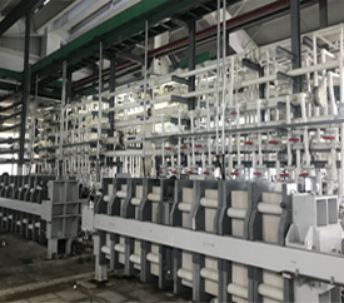
Tell us about your requirement

Price:
Quantity
Select Unit
- 50
- 100
- 200
- 250
- 500
- 1000+
Additional detail
Mobile number
Email

More Products in Water Treatment Technology Category
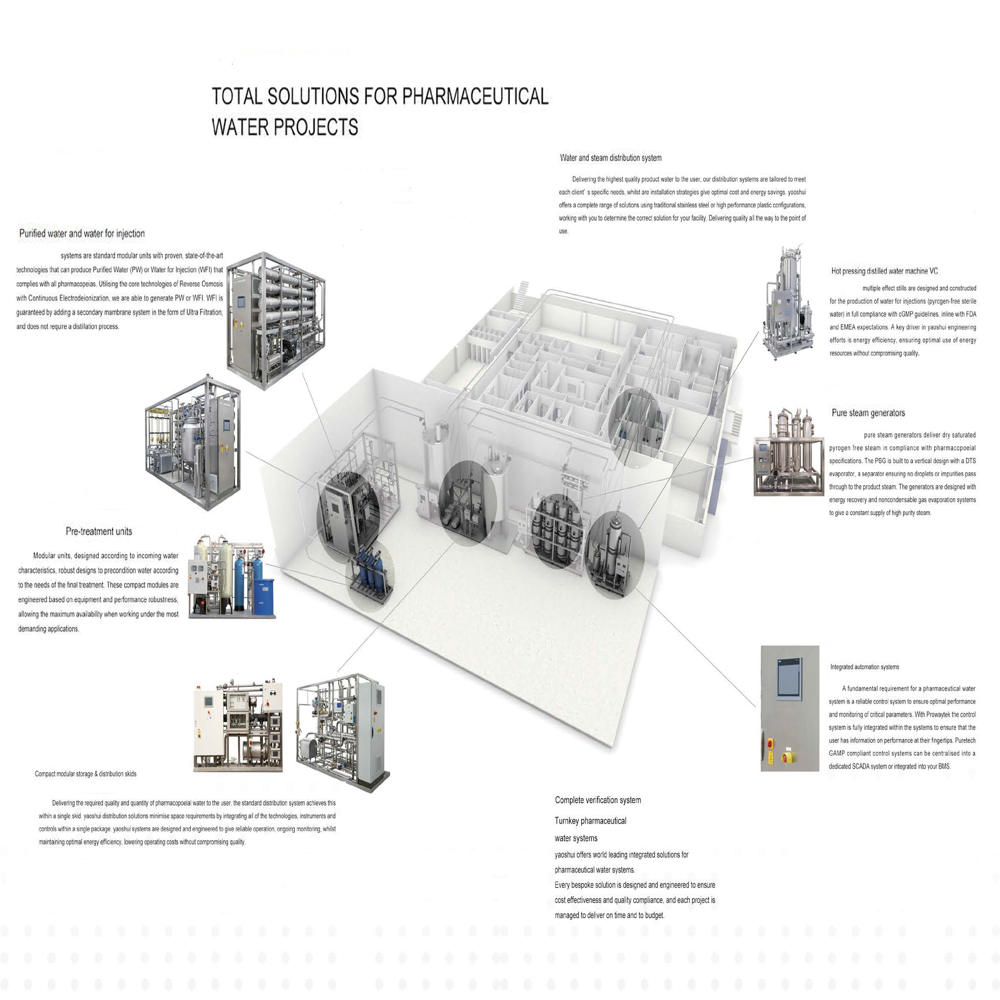
Pharmaceutical use and water integration system
Price 10000.0 USD ($) / Unit
Minimum Order Quantity : 1 Unit
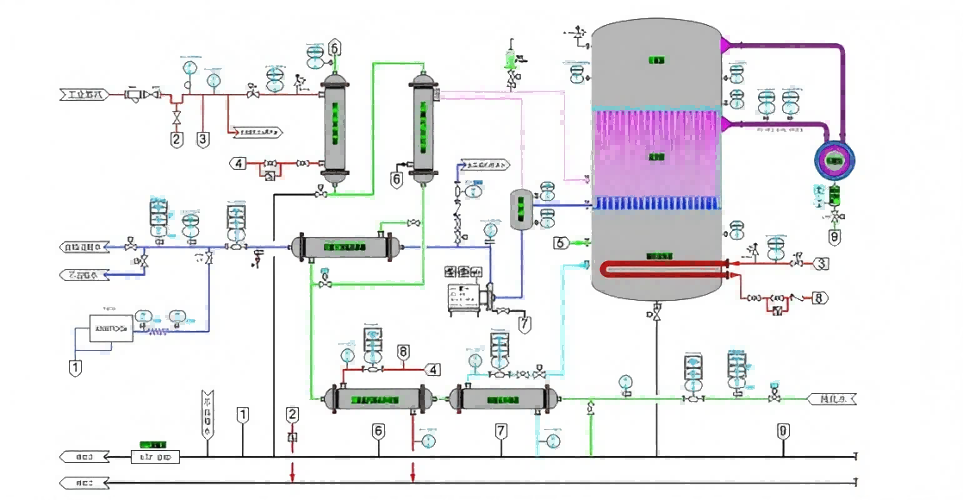
Production process and technology of distilled water and pure water
Price 10000.0 USD ($) / Unit
Minimum Order Quantity : 1 Unit
Diffusion dialysis - waste alkali recovery technology
Price 5000.0 USD ($)
Minimum Order Quantity : 1

 Send Inquiry
Our Products
- Chemical Technology Services and Consulting
- Industrial Membrane
- Factory Construction
- Water Treatment Plant
- Production technology of industrial chemicals
- Application technology of ionic membrane electrodi
- Water Treatment Technology
- Ion Membrane Technique
- Industrial Plant
- Industrial Chemical
- Production Processing Equipment
- Procurement Requirement

Room 1209, Block 14, Hengdafeicuihuating, No 82 Beixiwu Road, Sibaoshan Sub-district,Zibo - 250200, Shandong Sheng, China

Ms. Lynette
(Manager)
Mobile :+8613376439539
 Send Inquiry
 Call Me Free
Developed and Managed by Infocom Network Private Limited.
