Call us now :
 Send Inquiry
 Send Inquiry
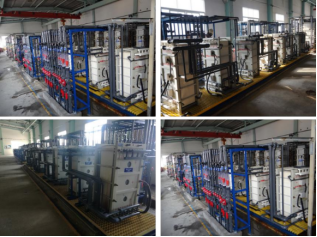
Diffusion dialysis - waste alkali recovery technology
Diffusion dialysis - waste alkali recovery technology Specification
- Typical System Capacity
- 10020,000 L/h
- pH Range for Operation
- 2 to 14
- Application
- Recovery of waste alkali (e.g., NaOH) from industrial wastewater
- Membrane Area
- Customizable according to treatment capacity (standard module: 1050 m)
- Operating Temperature
- Room temperature to 50C
- Residual Alkali in Effluent
- <0.02 mol/L (depending on feed concentration)
- Typical Maintenance Interval
- 1218 months membrane replacement
- Feed Solution Type
- Alkali-containing industrial wastewater, such as from metal surface treatment, PCB, and electroplating industries
- Installation Type
- Turnkey/Retrofit
- Alkali Recovery Rate
- Above 70% (depending on feed composition)
- Process Type
- Membrane Separation (Diffusion Dialysis)
- Membrane Material
- Anion Exchange Membrane
- Automation Level
- Fully automatic/PLC controlled
- Pretreatment Requirement
- Simple filtration for particles >5 micron
- Service Life of Membrane
- 23 years under standard conditions
- Energy Consumption
- Low no heating required
- System Configuration
- Modular, Skid-mounted
- Product Name
- Diffusion Dialysis - Waste Alkali Recovery Technology
- Advantages
- Reduces caustic loss and wastewater pollution; highly energy-efficient because no external driving force required except concentration difference
- Residual Salt Content in Recovered Alkali
- <4% (mass basis)
Diffusion dialysis - waste alkali recovery technology Trade Information
- Payment Terms
- Telegraphic Transfer (T/T), Letter of Credit (L/C)
- Sample Available
- No
- Main Export Market(s)
- Africa, Asia, Australia, Central America, North America, South America, Eastern Europe, Western Europe, Middle East
- Main Domestic Market
- All India
- Certifications
- The whole device is a series of structural units composed of a certain number of membranes. Each unit has a cationic homogeneous membrane separated into a dialysis chamber and a diffusion chamber. Countercurrent operation is adopted. When the waste lye and the receiving liquid (tap water) are passed into both sides of the cationic homogeneous membrane, the concentration of alkali and its salt on the waste lye side is much higher than that on the water side. However, the membrane has selective permeability to cations, so under the effect of the concentration difference, the cations on the waste alkali side are attracted and enter the water side smoothly through the membrane pore channel. At the same time, according to the requirements of electric neutrality, anions are also included, because the hydration radius of OH- is relatively small, and the charge is less. Other anions have a larger hydration radius and more charge, so OH- will preferratively pass through the membrane, so that the alkali in the waste liquid will be separated.
Diffusion dialysis - waste alkali recovery technology About
Diffusion dialysis recovery of waste alkali and recovery of waste acid are the application of dialysis principle, are driven by concentration difference, the difference is that used as diffusion dialysis membrane is not anion exchange membrane but cation exchange membrane. As shown in the figure below, when both sides of the cationic homogeneous membrane pass into the waste lye and the receiving solution (tap water), the concentration of alkali and its salt on the waste lye side is much higher than that on the water side. Therefore, due to the existence of concentration gradient, the waste alkali and its salt have a tendency to penetrate the diffusion chamber. However, the membrane is selective and will not allow each ion to pass through with equal opportunities. First of all, the cation exchange membrane skeleton itself is negatively charged, which has the characteristics of attracting positively charged hydrated ions and repelling negatively charged hydrated ions in solution. Therefore, under the effect of the concentration difference, the cation on the waste alkali side is attracted and smoothly enters the water side through the membrane pore channel. At the same time, according to the requirements of electric neutrality, negatively charged ions will also be included, because the hydration radius of OH- is relatively small, the charge is less; Other anions have larger radii, so OH- will preferentially pass through the membrane, so that the alkali in the waste solution will be separated.
Efficient Alkali Recovery for Industrial Wastewater
This technology ensures recovery rates above 70% for alkali, significantly reducing operational costs and environmental impact. It effectively recycles alkali from wastewater streams, helping industries comply with discharge norms while reclaiming valuable resources. The process operates efficiently at room temperature, maximizing practicality for various industrial settings.
Customizable Modular System
The system features a modular and skid-mounted design, with membrane area adaptable to specific treatment capacities ranging from 100 to 20,000 L/h. Whether for new installations or retrofitting existing ones, it offers flexible configuration and straightforward integration, making it suitable for diverse industrial requirements.
Low Maintenance and Long Service Life
Diffusion Dialysis systems require minimal pretreatment-just filtration for particles above 5 microns-and offer typical membrane lifespans of 2-3 years. Maintenance intervals for membrane replacement are usually 12-18 months, ensuring consistent performance and low downtime. Full automation and PLC control add to its user-friendly operation.
FAQ's of Diffusion dialysis - waste alkali recovery technology:
Q: How does the Diffusion Dialysis - Waste Alkali Recovery Technology operate?
A: This technology employs anion exchange membranes to separate and recover alkali from industrial wastewater. Driven solely by concentration difference, the system does not require external energy inputs like heating or pressure, making it highly energy-efficient.Q: What types of industrial wastewater can be treated using this process?
A: The system is suitable for alkali-containing wastewaters arising from metal surface treatment, PCB, and electroplating industries. It effectively recovers alkali such as sodium hydroxide from these waste streams.Q: When should the membrane be replaced during regular operation?
A: Under standard operating conditions, the system requires membrane replacement every 12 to 18 months to ensure optimal performance. The membrane typically offers a service life of 2 to 3 years.Q: Where can the Diffusion Dialysis system be installed?
A: Installations are available as turnkey solutions or retrofits, making it suitable for both new plants and upgrades to existing facilities across various industrial sectors in India and beyond.Q: What is the typical process involved before diffusion dialysis starts?
A: The only pretreatment required is simple filtration to remove particles larger than 5 microns from the wastewater feed. After this step, the feed solution is processed directly by the membrane system.Q: How is the recovered alkali quality ensured?
A: The recovered alkali generally contains less than 4% residual salt (mass basis), while the residual alkali in treated effluent is typically below 0.02 mol/L. These values depend on the initial feed concentration, ensuring effective and high-quality alkali recovery.Q: What are the primary benefits of using this technology?
A: Key advantages include substantial reduction in caustic losses, decreased environmental pollution from wastewater, and low energy consumption. The fully automated, PLC-controlled modular system also provides operational simplicity and economic value.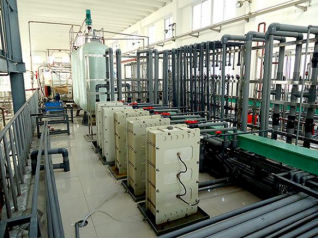


Tell us about your requirement

Price:
Quantity
Select Unit
- 50
- 100
- 200
- 250
- 500
- 1000+
Additional detail
Mobile number
Email

More Products in Water Treatment Technology Category
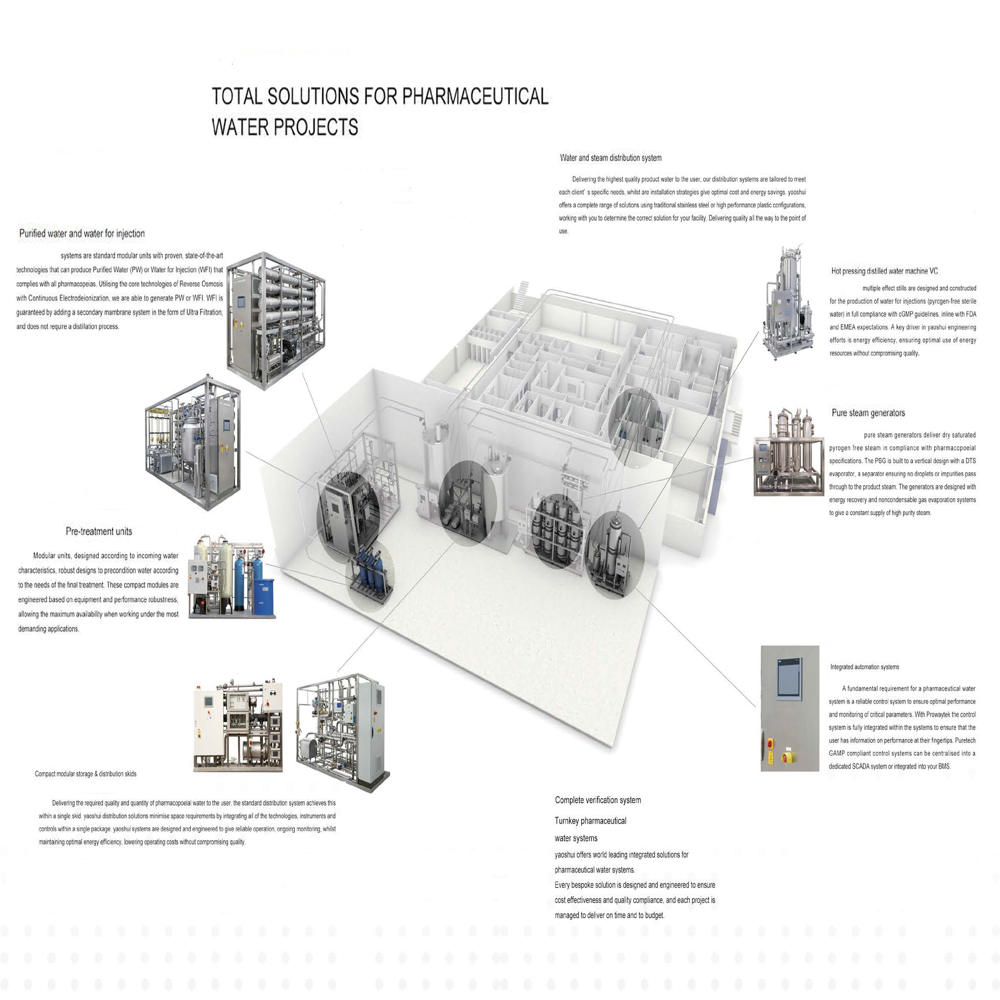
Pharmaceutical use and water integration system
Price 10000.0 USD ($) / Unit
Minimum Order Quantity : 1 Unit
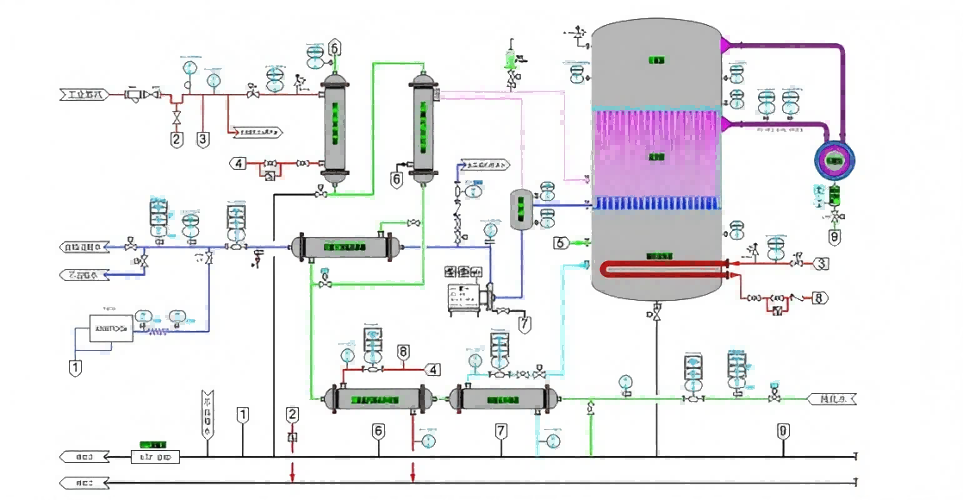
Production process and technology of distilled water and pure water
Price 10000.0 USD ($) / Unit
Minimum Order Quantity : 1 Unit

Diffusion dialysis and electrodialysis combined technology
Price 1000.0 USD ($)
Minimum Order Quantity : 1

 Send Inquiry
Our Products
- Chemical Technology Services and Consulting
- Industrial Membrane
- Factory Construction
- Water Treatment Plant
- Production technology of industrial chemicals
- Application technology of ionic membrane electrodi
- Water Treatment Technology
- Ion Membrane Technique
- Industrial Plant
- Industrial Chemical
- Production Processing Equipment
- Procurement Requirement

Room 1209, Block 14, Hengdafeicuihuating, No 82 Beixiwu Road, Sibaoshan Sub-district,Zibo - 250200, Shandong Sheng, China

Ms. Lynette
(Manager)
Mobile :+8613376439539
 Send Inquiry
 Call Me Free
Developed and Managed by Infocom Network Private Limited.
