
Call us now :
 Send Inquiry
 Send Inquiry
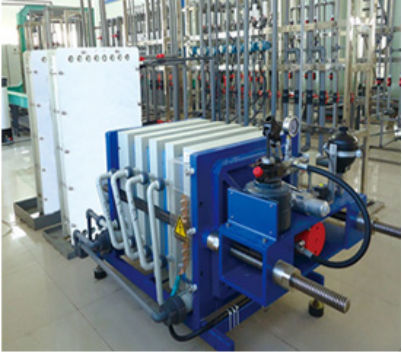
Homogeneous membrane electrodialysis technique
Homogeneous membrane electrodialysis technique Specification
- Process Principle
- Ionic species selectively migrate through membranes under an electric field
- Membrane Thickness
- 100 200 m
- Lifespan of Membrane
- 2 5 years with proper maintenance
- Scale Up Potential
- Readily scalable by increasing the number of cell pairs
- Typical Recovery Rate
- 60 85% depending on feed composition
- Flow Configuration
- Parallel flow with alternating diluate and concentrate compartments
- System Automation
- Can be automated with online monitoring and control systems
- Energy Consumption
- 1.5 5.0 kWh/m depending on feed and operating conditions
- System Configuration
- Stack of membrane cell pairs
- Typical Industries Used
- Water treatment, food and beverage, pharmaceuticals, electronics
- Current Density
- 10 90 mA/cm
- Membrane Type
- Homogeneous ion-exchange membrane
- Voltage Range
- Typically 1 2 V per cell pair
- Ion Selectivity
- High selectivity for targeted ions, minimizing co-ion transport
- pH Range
- 2 10
- Membrane Material
- Polystyrene sulphonate (cation) or quaternary ammonium (anion)
- Feedwater Salinity Limit
- Up to 10,000 mg/L TDS
- Application
- Electrodialysis desalination and ion separation
- Leakage Current
- Minimal in homogeneous membranes compared to heterogeneous types
- Operating Temperature
- Up to 40C
- Maintenance Requirement
- Low; periodic cleaning with acid/base solutions recommended
- Electrode Materials
- Platinum-coated titanium or stainless steel
- Installation Requirement
- Requires pre-treatment for suspended solids and organics
Homogeneous membrane electrodialysis technique Trade Information
- Payment Terms
- Telegraphic Transfer (T/T), Letter of Credit (L/C)
- Sample Available
- No
- Main Export Market(s)
- Asia, Australia, Central America, North America, South America, Eastern Europe, Western Europe, Middle East, Africa
- Main Domestic Market
- All India
Homogeneous membrane electrodialysis technique About
Homogeneous membrane electrodialysis can meet the processing requirements of various materials and liquids, and has the characteristics of small membrane surface resistance, high current efficiency, low energy consumption, good selectivity and high yield. Mainly used in material separation, small brackish water desalination; For example, the desalination and purification of various amino acids, the decolorization and purification of various fermentation fluids, the desalination of various medical intermediates, and the extraction of oligosaccharides from sorghum stalks, corn stalks, wheat stalks, soybean milk, sugarcane and other plants have significant social and economic benefits.
The homogeneous membrane electrodialysis method can effectively remove all kinds of inorganic salts in the material and achieve a better separation and purification effect. Taking amino acid desalination as an example, compared with heterophase membrane electrodialysis, homogeneous membrane electrodialysis is more superior, the yield of amino acids has been greatly improved, and the current efficiency has also been greatly improved. The amino acid yield can reach more than 94% and the desalting rate can reach more than 99.9%. In addition, the taste of amino acids produced by the homogeneous membrane electrodialysis process is much better than that of other processes, and has been highly praised by customers.
High Ion Selectivity and Recovery Efficiency
Homogeneous membranes in electrodialysis provide advanced ion selectivity, minimizing unwanted ion transport. This results in consistently high recovery rates ranging from 60% to 85%, depending on the composition of the feedwater. The technology efficiently separates and recovers valuable ions, making it a preferred choice in industries demanding precision and purity.
Low Maintenance and Long Membrane Life
Routine maintenance for homogeneous membrane electrodialysis systems is minimal. Operators only need to periodically clean the membranes with acid or base solutions, ensuring longevity and efficient operation. With proper care, these membranes last between 2 and 5 years, optimizing operational costs and minimizing downtime.
Versatility, Scalability, and Reliability
The system accommodates feedwater salinity up to 10,000 mg/L TDS and is readily scalable to suit varying production demands simply by increasing membrane cell pairs. Advanced automation features and minimal leakage current further enhance reliability and process control, establishing it as a robust solution across diverse sectors including water treatment, pharmaceuticals, and food processing.
FAQ's of Homogeneous membrane electrodialysis technique:
Q: How does the homogeneous membrane electrodialysis technique achieve high ion selectivity?
A: The system uses homogeneous ion-exchange membranes that selectively allow target ions to pass through when exposed to an electric field, while minimizing co-ion transport. This selective migration ensures efficient separation and purification, meeting stringent industry standards.Q: What industries commonly use homogeneous membrane electrodialysis systems?
A: These systems are widely used in water treatment, food and beverage processing, pharmaceuticals, and electronics manufacturing. Their high selectivity, low maintenance, and robust scalability make them suitable for sectors demanding precision ion separation and desalination.Q: When is periodic maintenance required for these systems?
A: Routine maintenance is low and mainly involves periodic cleaning of the membranes with acid or base solutions. Frequency depends on feedwater quality and operating conditions but regular checks help ensure consistent performance and longer membrane lifespan.Q: Where can homogeneous membrane electrodialysis systems be installed?
A: These systems are ideal for installations with proper pre-treatment for suspended solids and organics. They are flexible and can be incorporated into new or existing facilities in various industrial settings, ensuring compatibility with diverse processing needs.Q: What is the process principle behind ion separation in homogeneous membrane electrodialysis?
A: Ion separation is achieved as targeted ionic species migrate selectively through cation or anion exchange membranes under the influence of an electric field, which is typically supplied at a voltage range of 1-2 V per cell pair and current density of 10-90 mA/cm2.Q: How scalable and energy-efficient is the system?
A: The system is readily scalable by increasing the number of membrane cell pairs, allowing adaptation to different throughput requirements. Energy consumption ranges from 1.5 to 5.0 kWh/m3 depending on feedwater and operating parameters, offering efficient performance relative to conventional ion separation techniques.Q: What are the main benefits of using homogeneous membrane electrodialysis?
A: Key benefits include high selectivity for targeted ions, minimal leakage current, low maintenance requirements, compatibility with various automation systems, and a lifespan of up to 5 years. These features result in reliable purification and cost-effective operation.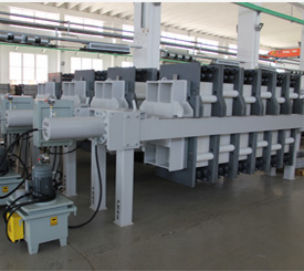


Tell us about your requirement

Price:
Quantity
Select Unit
- 50
- 100
- 200
- 250
- 500
- 1000+
Additional detail
Mobile number
Email

More Products in Application technology of ionic membrane electrodi Category
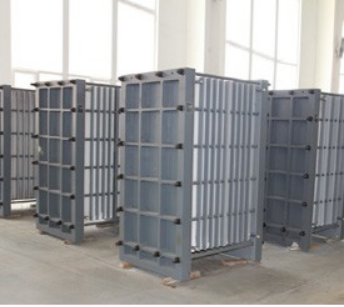
Industrial Diffusion Dialysis - Waste Acid Recovery Technology
Price 1000.0 USD ($)
Minimum Order Quantity : 1
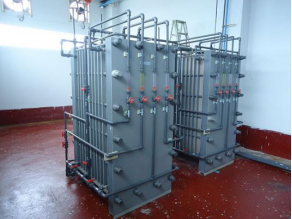
Diffusion Dialysis - Waste Alkali Recovery Technology For Separation and Recovery of Acid/ Alkali Waste Solutions
Price 1000.0 USD ($)
Minimum Order Quantity : 1
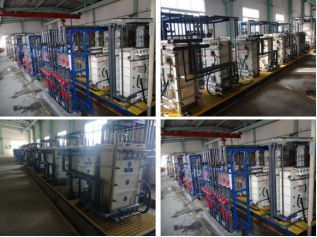
Preparation of organic acids by bipolar membrane electrodialysis
Price 1000.0 USD ($)
Minimum Order Quantity : 1

 Send Inquiry
Our Products
- Chemical Technology Services and Consulting
- Industrial Membrane
- Factory Construction
- Water Treatment Plant
- Production technology of industrial chemicals
- Application technology of ionic membrane electrodi
- Water Treatment Technology
- Ion Membrane Technique
- Industrial Plant
- Industrial Chemical
- Production Processing Equipment
- Procurement Requirement

Room 1209, Block 14, Hengdafeicuihuating, No 82 Beixiwu Road, Sibaoshan Sub-district,Zibo - 250200, Shandong Sheng, China

Ms. Lynette
(Manager)
Mobile :+8613376439539
 Send Inquiry
Developed and Managed by Infocom Network Private Limited.
