
Call us now :
 Send Inquiry
 Send Inquiry
Application technology of bipolar membrane electrodialysis
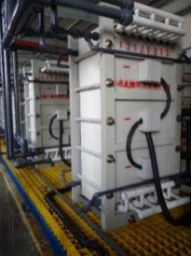
Application technology of bipolar membrane electrodialysis Specification
- System Control
- Automated control with adjustable voltage and current supply for optimal performance
- Installation Modes
- Skid-mounted for plug-and-play or custom-engineered solutions
- Expansion Capability
- System scalable by adding or removing membrane stacks
- Membrane Material
- Special polymer composite with strong chemical and mechanical resistance
- System Footprint
- Compact modular design, suitable for integration into industrial systems
- Current Density
- up to 4000 A/m possible with proper configuration
- Performance Indicators
- High acid and base production rates, low energy consumption, high current efficiency, long membrane lifespan
- Maintenance Requirements
- Low; periodic inspection and cleaning of membranes recommended
- Operation Mode
- Continuous or batch operation depending on process requirements
- Application Areas
- Wastewater treatment, acid and alkali recovery, resource recycling, chemical processes, environmental protection
- Flow Rate Range
- 0.5 to 50 m3/h, customizable based on application
- Main Components
- Bipolar membrane, cation exchange membrane, anion exchange membrane, electrode system, electrodialysis stack
- Operating Temperature
- 540C (41104F)
- Compliance
- Designed to meet international environmental and safety standards
- Working Principle
- Utilizes a bipolar membrane and ion exchange process to separate and recover acids and bases from salt solutions via electrodialysis
- Environmental Impact
- Minimizes secondary pollution, reduces hazardous waste discharge
- Product Name
- Application technology of bipolar membrane electrodialysis
- pH Range
- 113, suitable for a wide variety of feeds
- Advantages
- Efficient acid-base separation, energy savings, reduces chemical consumption, environmentally friendly, enables resource recycling
- Typical Feed Solutions
- Industrial saline wastewater, byproduct streams containing sodium salts or other recoverable ions
- Voltage Range
- 0100V adjustable (depending on stack size and application)
- Membrane Lifetime
- Typically >3 years with recommended operation and maintenance
- Control Interface
- PLC-based touch screen control, remote monitoring and diagnostics
- Acid/Base Output
- Able to generate high-purity acid and base solutions (HCl, NaOH, etc.)
Application technology of bipolar membrane electrodialysis Trade Information
- Payment Terms
- Telegraphic Transfer (T/T), Letter of Credit (L/C)
- Sample Available
- No
- Packaging Details
- Organic acid production In the process of organic acid fermentation, lye must be added to control the pH value of the fermentation liquid, so the sodium salt solution of organic acid is formed after fermentation. The conversion of organic acid sodium salt to organic acid is a basic step in the production process. Traditional Method 1: Cation exchange resin (produces a lot of wastewater) Traditional Method 2: Lime precipitation, sulfuric acid dissolution (producing a lot of wastewater and waste residue) Bipolar membrane method: the organic acid sodium salt is directly converted into organic acid and sodium hydroxide, the production process does not need to add acid, there is no pollutant discharge, the formed lye can be reused in production, and has obvious economic and social benefits. Organic acids: citric acid, lactic acid, tartaric acid, gluconic acid, succinic acid, etc
- Main Export Market(s)
- Central America, North America, South America, Eastern Europe, Western Europe, Middle East, Africa, Asia, Australia
- Main Domestic Market
- All India
Application technology of bipolar membrane electrodialysis About
Bipolar membrane is a kind of thin film material with many applications. Its special structure and properties make it widely used in battery, separation, catalysis and other fields.
In the field of batteries, bipolar membranes can be used to prepare various types of batteries, such as lithium-ion batteries, sodium-ion batteries, lead-acid batteries, etc. Its application can improve the energy density of the battery, reduce the internal resistance, extend the life and so on. For example, in lithium-ion batteries, the double can isolate the charge between the anode and cathode, prevent the battery from short circuit, and also avoid the mutual reaction between the anode and cathode, improving the cycle life of the battery.
In the field of separation, bipolar membranes can be used for ion exchange, membrane filtration, etc. For example, in desalination seawater can be desalted by isolating salt and water molecules through selective channels of positive and negative ions. In the chemical industry, it can also be used in the process of acid-base separation and purification of organic matter, with high separation efficiency and selectivity.
In the field of catalysis, bipolar membranes can be used to prepare catalysts and accelerate chemical reactions. For example, in electrochemical synthesis reactions, it can be used as a catalyst carrier to improve reaction rate and selectivity. In organic synthesis, it can also be used in photocatalytic reactions and electrocatalytic reactions to perform functional modifications on various organic molecules.
Precision Performance for Industrial Needs
Designed for demanding industrial environments, the bipolar membrane electrodialysis system offers adjustable voltage (0-100V) and high current density capabilities up to 4000 A/m2. Its modular footprint fits seamlessly into existing infrastructure, facilitating integration and expansion. The system delivers high acid and base production efficiency, promoting operational flexibility from batch to continuous processing.
Robust and Reliable Operation
Utilizing special polymer composite membranes known for chemical and mechanical resistance, this technology ensures membrane lifetimes typically exceeding 3 years with recommended maintenance. Regular inspection and membrane cleaning help sustain optimal performance. Remote monitoring and diagnostics facilitate preventive maintenance, keeping system downtime to a minimum.
Environmental Stewardship
By enabling efficient acid-base separation and resource recycling, this solution supports environmentally responsible operations. It minimizes secondary pollution and hazardous waste generation while reducing overall chemical consumption. Compliance with international safety and environmental standards further reinforces its suitability for eco-conscious industries.
FAQ's of Application technology of bipolar membrane electrodialysis:
Q: How does bipolar membrane electrodialysis separate acids and bases from saline solutions?
A: The system utilizes bipolar and ion exchange membranes within an electrodialysis stack, which, when activated by an electrical current, causes ions to migrate and dissociate, effectively separating acid and base from the salty feed solution. This process enables targeted recovery of high-purity acids and alkalis, such as HCl and NaOH.Q: What types of applications can this technology be customized for?
A: Its flexible design allows for use in wastewater treatment, acid and alkali recovery, resource recycling, chemical processes, and environmental protection. Flow rate, stack size, and system configuration can be tailored to specific industrial requirements for optimal performance and integration.Q: When is membrane maintenance required for optimal performance?
A: Periodic inspection and cleaning of the membranes are recommended, typically aligned with scheduled system maintenance intervals. This helps maximize membrane lifespan-often over three years-and sustain system efficiency and reliability over extended operation.Q: Where can the system be installed within industrial operations?
A: Thanks to its compact, skid-mounted design and scalable structure, the system can be installed as a plug-and-play unit or integrated into custom-engineered processes within a wide range of industrial facilities across India and other global locations.Q: What process controls and monitoring options are available?
A: The system features an intuitive PLC-based touch screen interface, allowing real-time adjustment of voltage and current parameters. Advanced remote monitoring and diagnostic features enable operators to track system performance and identify potential issues swiftly.Q: How does using this technology benefit operational efficiency and environmental impact?
A: It delivers energy savings by optimizing acid-base separation and reducing chemical input. The efficient resource recovery lowers hazardous waste emissions and supports compliance with environmental standards, making operations more sustainable and cost-effective.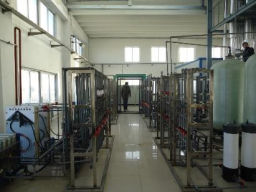


Tell us about your requirement

Price:
Quantity
Select Unit
- 50
- 100
- 200
- 250
- 500
- 1000+
Additional detail
Mobile number
Email

More Products in Application technology of ionic membrane electrodi Category
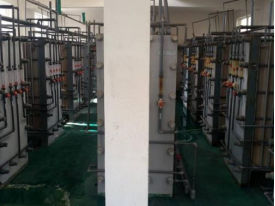
Polycrystalline silicon industry acid treatment technology
Price 1000.0 USD ($) / Unit
Minimum Order Quantity : 1 Unit
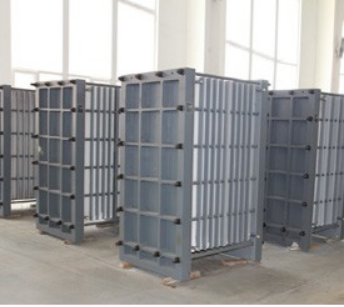
Industrial Diffusion Dialysis - Waste Acid Recovery Technology
Price 1000.0 USD ($)
Minimum Order Quantity : 1

 Send Inquiry
Our Products
- Chemical Technology Services and Consulting
- Industrial Membrane
- Factory Construction
- Water Treatment Plant
- Production technology of industrial chemicals
- Application technology of ionic membrane electrodi
- Water Treatment Technology
- Ion Membrane Technique
- Industrial Plant
- Industrial Chemical
- Production Processing Equipment
- Procurement Requirement

Room 1209, Block 14, Hengdafeicuihuating, No 82 Beixiwu Road, Sibaoshan Sub-district,Zibo - 250200, Shandong Sheng, China

Ms. Lynette
(Manager)
Mobile :+8613376439539
 Send Inquiry
 Call Me Free
Developed and Managed by Infocom Network Private Limited.
