Call us now :
 Send Inquiry
 Send Inquiry
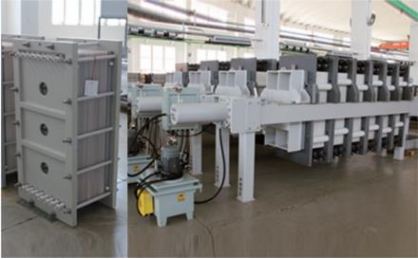
Alkali recovery diffusion dialyzer
Alkali recovery diffusion dialyzer Specification
- Flow Rate
- 2-20 m3/h
- Water Out Conductivity
- 20 S/cm
- Ph Level
- 1-14
- Water in conductivity
- 2000 S/cm
- Recycle Rate
- up to 95%
- Feature
- Continuous operation, Energy-saving, Corrosion resistant, Modular design
- Technology
- Diffusion Dialysis
- Efficiency (%)
- up to 90%
- Usage & Applications
- Alkali recovery from industrial process streams, Textile, Pulp and Paper, Chemical industry
- Frequency
- 50/60 Hz
- Pump Type
- Centrifugal
- Noise Level
- Low ( 60 dB)
- Power Consumption
- 1-5 kW
- Volume
- Customizable
- Material
- PVDF, PTFE, SS304, SS316
- Automatic Grade
- Automatic
- Product Type
- Diffusion Dialyzer
- Drive Type
- Electric Motor
- Power Source
- Electric
- Purity Level
- up to 99%
- Voltage
- 220V / 380V
- Water Source
- Industrial Effluent, Caustic Wastewater
- Filter Type
- Membrane Dialyzer
- Capacity
- Variable, up to 20 m3/h
- Installation Type
- Floor Mounted
- Operating Pressure
- 2.0 bar
- Temperature Range
- 5C - 45C
- Membrane Area
- up to 9 m
- Inlet/Outlet Connection
- DN32 DN65
- Dimension
- Custom as per model
- Control System
- PLC/Manual
- Service Life
- >3 years membrane life under standard conditions
- Differential Pressure
- 0.15 MPa
- Maintenance
- Low, user-friendly design
Alkali recovery diffusion dialyzer Trade Information
- Payment Terms
- Telegraphic Transfer (T/T), Letter of Credit (L/C)
- Sample Available
- No
- Main Export Market(s)
- Asia, Australia, Central America, North America, South America, Eastern Europe, Western Europe, Middle East, Africa
- Main Domestic Market
- All India
Alkali recovery diffusion dialyzer About
Used for separation and purification of alkali and metal salt mixture, can be used in non-ferrous metal smelting, organic chemical industry, printing and dyeing industry waste alkali recovery.
Superior Alkali Recovery Efficiency
Leveraging advanced diffusion dialysis technology, this dialyzer achieves up to 90% process efficiency and an impressive alkali recycle rate of 95%. Its membrane delivers water out conductivity 20 S/cm, ensuring high-purity alkali suitable for reuse in industrial applications, minimizing waste, and reducing operational costs.
User-Friendly and Energy-Saving Operation
With its low maintenance requirements and user-friendly design, the system is easy to operate, whether by PLC or manual controls. Continuous operation and modular layout make it adaptable to changing process demands, while its energy-saving electric motor keeps power consumption between 1 and 5 kW, ensuring sustainable performance.
Robust Materials and Customization
Constructed from corrosion-resistant PVDF, PTFE, SS304, and SS316, the dialyzer withstands harsh industrial environments. It is customizable in dimension, volume, and inlet/outlet configuration to suit specific site requirements, allowing for optimized alkali recovery across diverse sectors.
FAQ's of Alkali recovery diffusion dialyzer:
Q: How does the Alkali Recovery Diffusion Dialyzer enhance alkali recycling in industrial applications?
A: This dialyzer uses diffusion dialysis technology to separate alkali from process wastewater, achieving recycle rates up to 95%. The high efficiency and membrane purity ensure recovered alkali is suitable for reuse in processes like textile, pulp and paper, and chemical manufacturing.Q: What types of wastewater sources are suitable for this membrane dialyzer?
A: The unit is designed for industrial effluent and caustic wastewater streams, including those produced in textile processing, chemical manufacturing, and pulp and paper industries. Its broad pH tolerance (1-14) and material robustness suit diverse alkali recovery scenarios.Q: When should maintenance be performed on this system, and how easy is it to maintain?
A: Maintenance is minimal due to the system's self-cleaning features and robust materials. Under standard operating conditions, the membrane has a service life exceeding 3 years. Scheduled inspections typically focus on pump operation and control system checks, facilitated by the user-friendly design.Q: Where can the dialyzer be installed, and does it support various site requirements?
A: The device offers installation flexibility, including floor-mounted and custom options, making it suitable for integration into existing industrial layouts. Inlet/outlet connections and overall dimensions are customizable to match specific site conditions and application needs.Q: What is the process involved in alkali recovery using this system?
A: Alkali-laden wastewater enters the system, where membranes selectively separate and recover the alkali via diffusion dialysis. The final product achieves up to 99% purity, low water conductivity, and is suitable for direct reuse or further processing, significantly reducing environmental discharge.Q: How does using this dialyzer benefit an industrial operation?
A: Implementing this dialyzer reduces chemical waste, lowers the cost of purchasing fresh alkali, promotes sustainable resource use, and helps companies comply with regulatory standards. Energy-efficient operation and low maintenance further support operational savings and productivity.
Tell us about your requirement

Price:
Quantity
Select Unit
- 50
- 100
- 200
- 250
- 500
- 1000+
Additional detail
Mobile number
Email

More Products in Production Processing Equipment Category
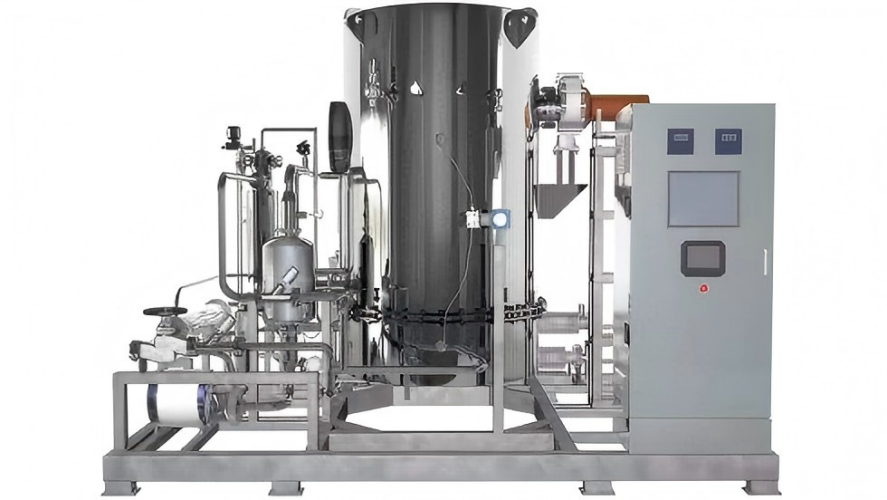
Vertical hot pressure distilled water machine
Price 30000.0 USD ($) / Unit
Minimum Order Quantity : 1 Unit
Drive Type : Electric
Automatic Grade : Full Automatic
Water Source : Ground Water
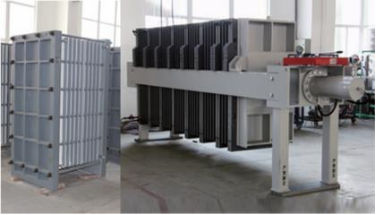
Acid recovery diffusion dialyzer
Price 1000.0 USD ($)
Minimum Order Quantity : 1
Drive Type : Electric
Automatic Grade : Full Automatic
Water Source : Other
Recycle Rate : 90%95%
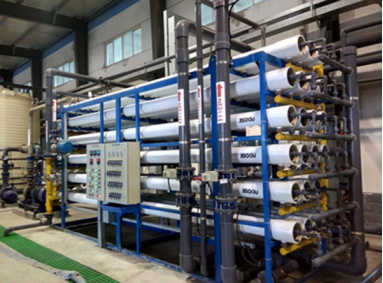
Reverse osmosis system
Price 1000.0 USD ($)
Minimum Order Quantity : 1
Drive Type : Electric
Automatic Grade : Full Automatic
Water Source : Other
Homogeneous membrane electrodialyzer
Price 1000.0 USD ($)
Minimum Order Quantity : 1
Drive Type : Electric
Automatic Grade : Full Automatic
Water Source : Other
Recycle Rate : 90%95%

 Send Inquiry
Our Products
- Chemical Technology Services and Consulting
- Industrial Membrane
- Factory Construction
- Water Treatment Plant
- Production technology of industrial chemicals
- Application technology of ionic membrane electrodi
- Water Treatment Technology
- Ion Membrane Technique
- Industrial Plant
- Industrial Chemical
- Production Processing Equipment
- Procurement Requirement

Room 1209, Block 14, Hengdafeicuihuating, No 82 Beixiwu Road, Sibaoshan Sub-district,Zibo - 250200, Shandong Sheng, China

Ms. Lynette
(Manager)
Mobile :+8613376439539
 Send Inquiry
 Call Me Free
Developed and Managed by Infocom Network Private Limited.
